If you are buying a home in Cary with a growing family in mind, you are probably thinking about much more than bedrooms and bathrooms. You may be weighing school assignment, commute time, outdoor space, monthly costs, and whether the home will still work for your life a few years from now. The good news is that Cary offers a lot to work with, and understanding the local details can help you make a smarter decision. Let’s dive in.
Why Cary appeals to growing families
Cary has many of the traits buyers often look for when planning for the next stage of life. According to Census QuickFacts, 23.4% of residents are under 18, 66.6% of housing is owner-occupied, median household income is $134,905, and the average commute time is 22.5 minutes. Those numbers point to a mature suburban market where many households are putting down roots.
Cary also supports daily routines in practical ways. The town reports more than 107 miles of paved greenways and over 492 miles of sidewalks, which can make walks, bike rides, and short outings easier to build into your week. For many buyers, that matters just as much as the house itself.
Start with your family’s real needs
It is easy to get pulled toward finishes and square footage when you start touring homes. For a growing family, the better first step is to define how your household actually lives day to day. Think about mornings, after-school hours, work-from-home needs, storage, and how much change your family may go through in the next three to five years.
A helpful way to frame your search is to ask a few practical questions:
- What monthly payment feels comfortable after taxes and fees?
- Which commute pattern matters most each week?
- Which school base applies to each address you are considering?
- How much flexible space will your household need in the next few years?
- How much repair or renovation risk fits your budget and timeline?
These questions can keep you focused when listings start to blur together.
School planning in Cary starts by address
If schools are part of your home search, it is important to verify assignment by address before you make an offer. Wake County Public School System serves Cary, and the district instructs families to use its base school tool for address-specific assignment. That means you should not assume a school assignment based on a neighborhood name alone.
The district also notes that new families should be prepared to provide immunization records and the North Carolina Health Assessment during enrollment. If you are moving on a tight timeline, this is worth planning for early. In a competitive search, having your school-related due diligence organized can reduce stress later.
Look at parks, greenways, and weekly routines
A home can look great online and still feel inconvenient once real life starts. Cary’s official reports highlight parks and recreation as major community assets, and the town’s greenway and sidewalk network supports everyday movement beyond driving. That can shape how a location feels on a normal Tuesday, not just on showing day.
For example, some buyers prioritize being able to walk with kids after dinner, bike on weekends, or get outside without a long drive. Others care about how quickly they can get to activities, errands, or local parks. When you tour homes, try to picture the routine around the home, not only the floor plan inside it.
Understand Cary home prices and full monthly costs
Cary is an established market, and buyers should be ready for higher entry costs than in some nearby areas. Redfin reported a median sale price of $600,000 in March 2026, with homes receiving about two offers on average and selling in about 41 days. Its spring 2026 trends page also showed a median list price of $602,500.
Census QuickFacts lists the median value of owner-occupied housing units at $580,200 and median monthly owner costs with a mortgage at $2,389. Those figures are useful benchmarks, but they are not the same as your full expected monthly payment on a purchase today. They should be treated as context, not as a direct estimate of what you will pay.
Cary’s housing plan also notes high-priced, rising home values and the high cost of entering the homebuyer market. That is why your budget should include more than principal and interest. A realistic budget should also account for:
- Property taxes
- Insurance
- Maintenance and repairs
- Utilities and service fees
- Commute costs
- Childcare or activity-related transportation if location affects your routine
For FY2026, Cary’s town property tax rate is 34 cents per $100 of assessed value, and Wake County’s general fund levy is 51.60 cents per $100. Cary also lists a $26 monthly solid-waste fee. Using the town and county rates together gives you a combined baseline of about 85.6 cents per $100 of assessed value before any special district taxes or future changes.
Compare location by logistics, not just zip code
For many growing families, the right Cary location is the one that makes the week run more smoothly. Cary residents have access to major highways, Raleigh-Durham International Airport, and Amtrak passenger service. GoCary provides fixed-route bus service and door-to-door service, and GoTriangle includes Cary in its regional transit network with bus, shuttle, paratransit, vanpool, and ridematching options.
That matters because your decision is often about total logistics, not just distance on a map. A home may look well placed for one commute but create stress for school drop-off, daycare pickup, or evening activities. The average 22.5-minute commute in Cary is helpful context, but your real goal is choosing a location that works for your household’s full weekly pattern.
Older homes versus newer homes
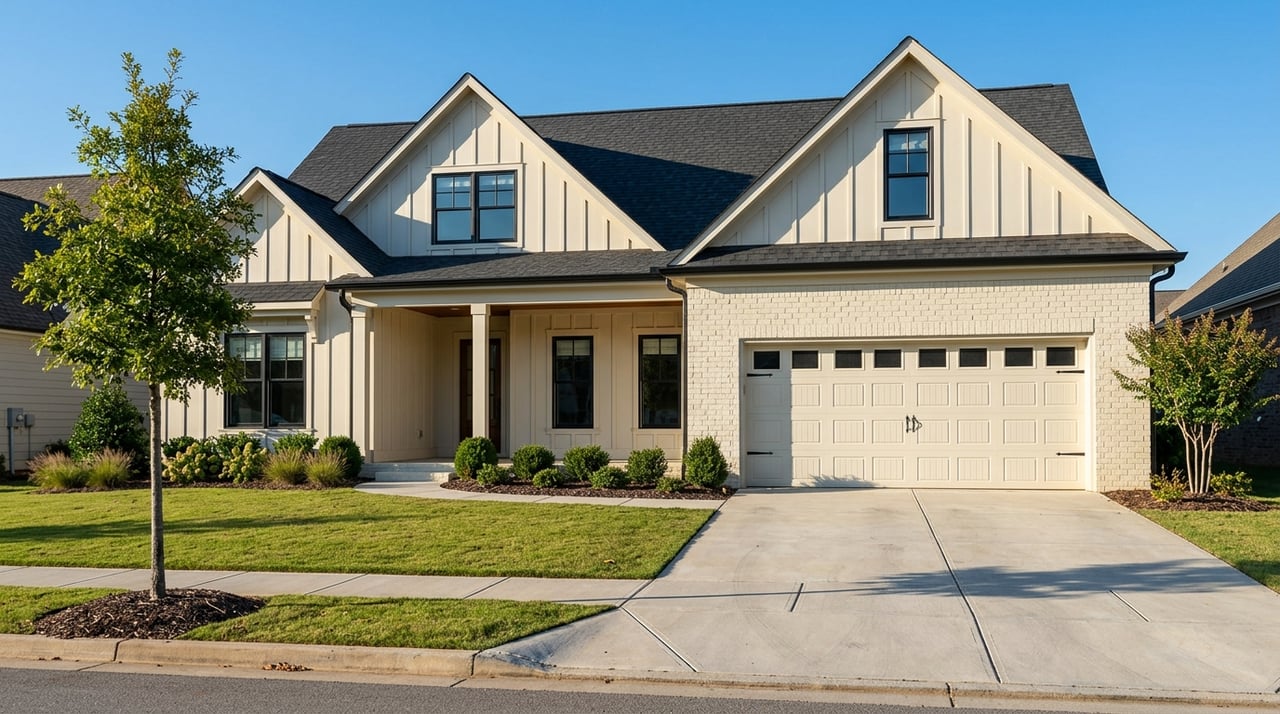
Cary offers a mix of housing ages and layouts, and that can create very different buying options. According to Cary’s housing plan, the town’s housing stock is primarily single-family, and detached single-family homes made up nearly two-thirds of all housing units in 2020. The same plan says the median detached single-family home is about 2,400 square feet, compared with about 1,200 square feet for attached single-family units.
The age of a home can affect how it lives. Cary’s housing plan notes that homes built before 1990 were more likely to be under 1,800 square feet, while since 2010, smaller homes have made up a much smaller share of new construction. It also reports that new detached homes have grown by almost 60% in median size since the 1980s.
In practical terms, older Cary homes may offer more modest room sizes or more segmented layouts. Newer homes often skew larger and may better match today’s preference for open living areas and flexible-use rooms. Neither is automatically better. The right fit depends on your budget, style preferences, and how much updating you are comfortable taking on.
Flex space matters more than raw square footage
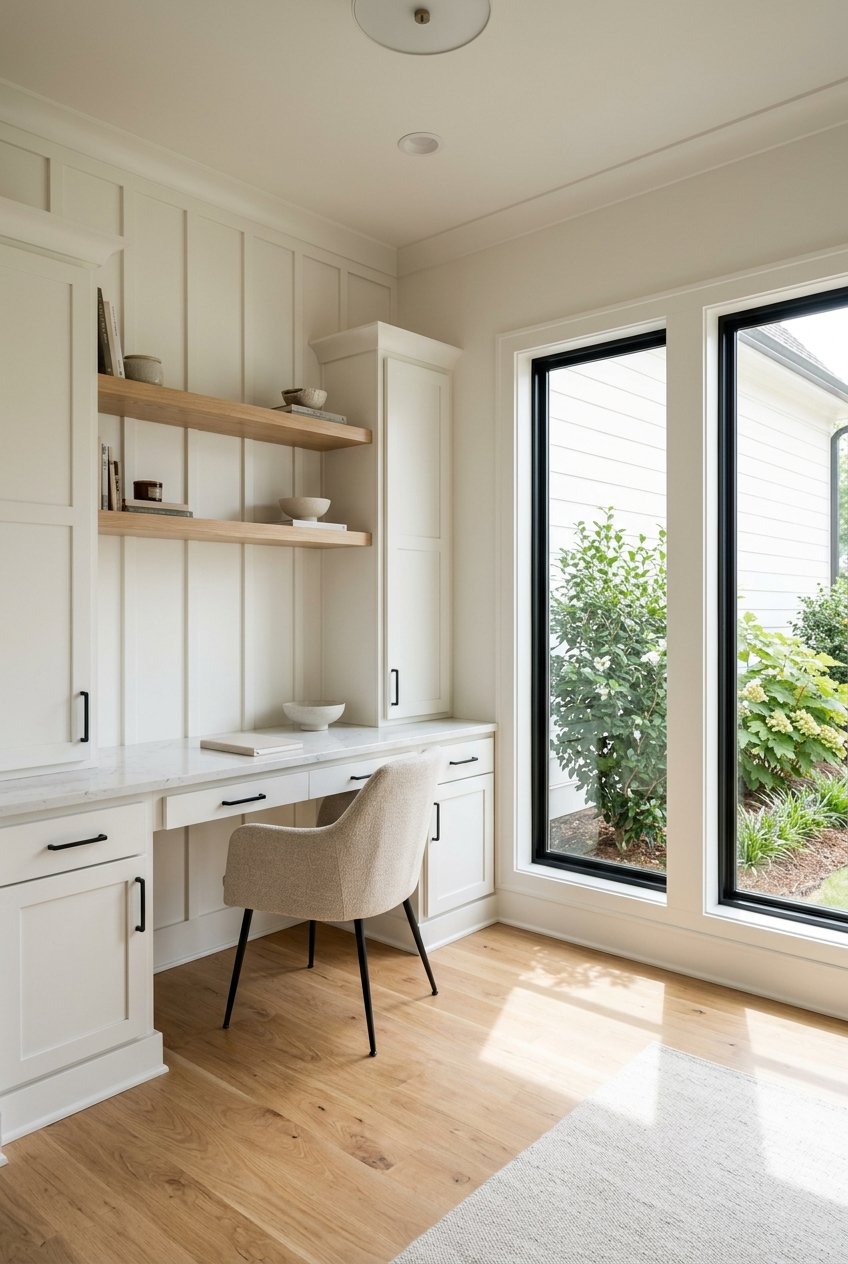
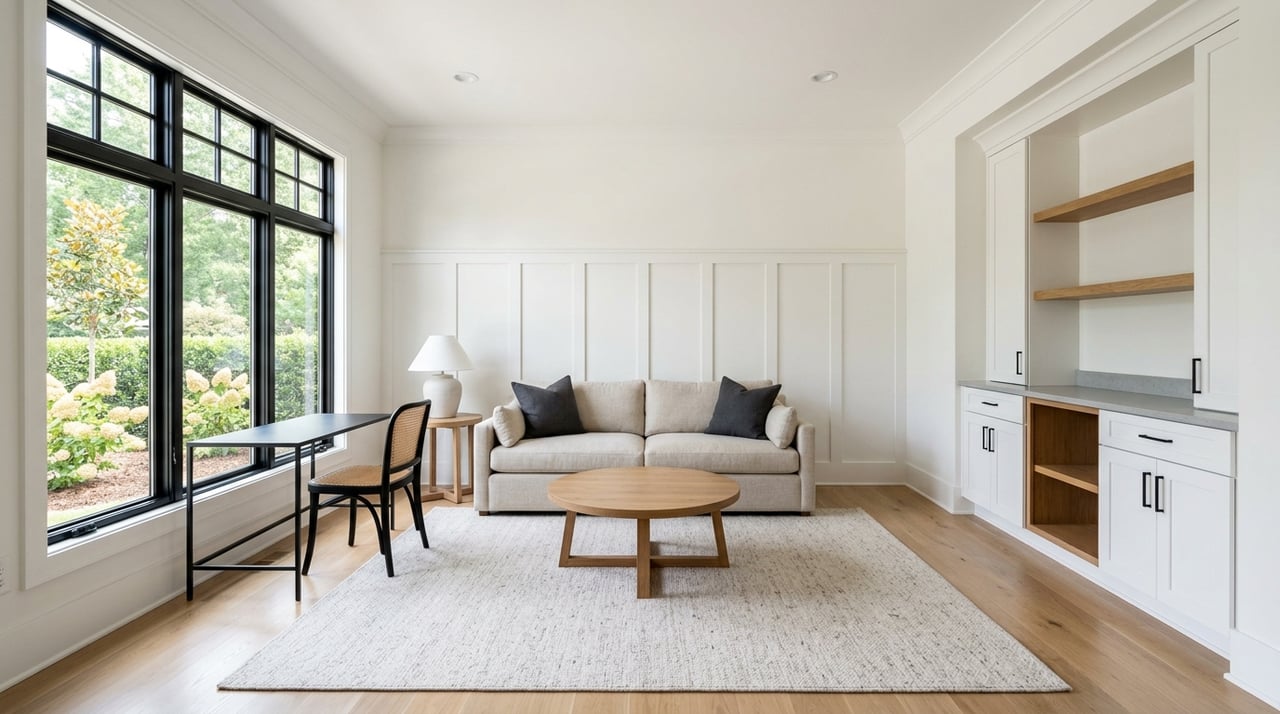
When families move up, they often think first about bedroom count. That matters, but it is not the whole story. Local spring 2026 demand trends showed strong interest in open-concept kitchens, large kitchens, guest bedrooms, and 4-bedroom homes, along with features such as offices, flex rooms, workspace, large bonus rooms, and main-floor offices.
That trend makes sense for modern family life. You may need room for remote work, homework, overnight guests, hobbies, or future changes in how the household uses space. A home with the right layout can function better than a larger home with less useful rooms.
As you compare homes, pay close attention to:
- Bedroom count and placement
- Bonus room or flex room potential
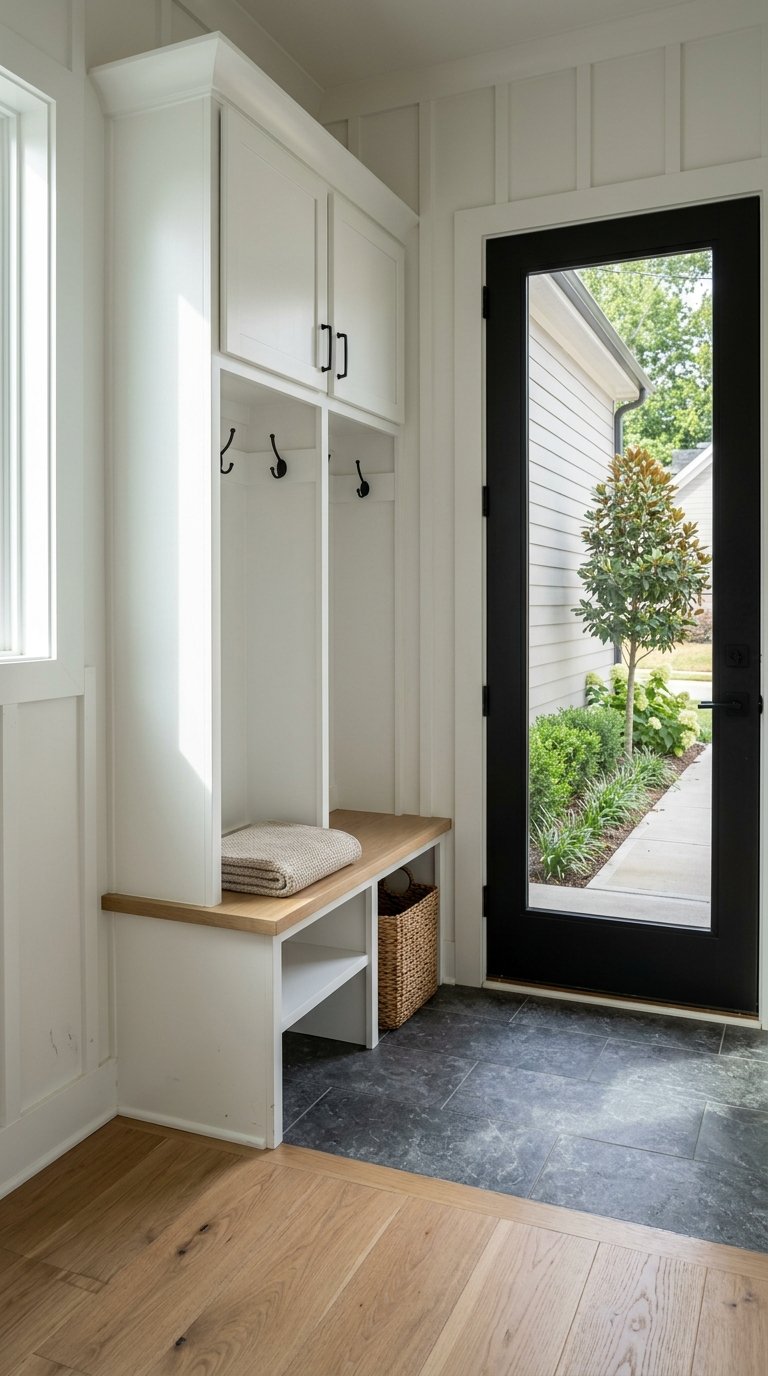
- Storage space
- Garage size
- Main-floor space for guests or office use
- Renovation needs and likely cost
This approach can help you buy for the next chapter, not just for today.
Stability can support long-term planning
Many buyers with children or plans for children want a place that feels steady over time. Cary’s data suggests a relatively stable residential base, with 66.6% owner occupancy and 84.8% of residents living in the same house one year ago. While every area changes over time, those figures can be reassuring for buyers who are thinking about continuity, routines, and future resale.
Stability does not mean every neighborhood will feel the same. It does mean Cary is not just functioning as a pass-through market. For many households, that supports the idea of buying with a longer view.
A smart Cary homebuying checklist
Before you move forward on a home in Cary, it helps to slow down and confirm the details that will shape your daily life and monthly budget. A careful review now can save you from surprises later.
Use this simple checklist as you narrow your options:
- Verify school assignment by address through Wake County Public School System
- Estimate taxes and fees, not just mortgage principal and interest
- Map your main commute and your backup commute plan
- Test the route for school, childcare, and activities
- Evaluate flex space for the next three to five years
- Consider storage, garage function, and outdoor space
- Weigh renovation risk against your available cash and time
A clear process matters in a market like Cary, where prices are meaningful and family needs are layered.
If you want help sorting through Cary neighborhoods, comparing home styles, or building a search around your real-life priorities, Kelly Shields offers thoughtful, hands-on guidance backed by deep local knowledge and a calm, personal approach.
FAQs
How do you check school assignment for a Cary home?
- Wake County Public School System advises families to verify the base school by address using the district’s school assignment tool before enrollment or purchase decisions.
What is the typical home price range context in Cary?
- Recent local market data showed a median sale price of $600,000 in March 2026 and a spring 2026 median list price of $602,500, which gives buyers a useful benchmark for planning.
What property taxes should Cary buyers budget for?
- For FY2026, Cary’s town tax rate is 34 cents per $100 of assessed value and Wake County’s general fund levy is 51.60 cents per $100, for a combined baseline of about 85.6 cents per $100 before special districts or future changes.
What makes Cary practical for growing families?
- Cary combines a strong owner-occupied housing base, a large share of residents under 18, an extensive greenway and sidewalk network, and community amenities that can support everyday routines.
Should you choose an older or newer home in Cary?
- It depends on your priorities, because older homes may offer smaller or more segmented layouts while newer homes often skew larger and may include more open living space and flexible-use rooms.
What home features matter most for a growing family in Cary?
- Beyond bedroom count, many buyers benefit from focusing on flexible space, storage, garage function, renovation risk, and how the layout will serve work, school, guests, and changing needs over time.