What does an average Tuesday look like in Cary? Picture a quick school drop-off, a short drive to the office or a park-and-ride, a lunch run near your neighborhood, and an evening walk on a nearby greenway. If you want a place with easy parks, practical commutes, and reliable conveniences, Cary fits the bill. In this guide, you will get a clear feel for daily life, from parks and dining to home styles and commuting options. Let’s dive in.
Where Cary Fits in the Triangle
Cary sits between Raleigh and Research Triangle Park, right in the heart of the region’s job and university network. Many residents work in technology, life sciences, healthcare, or higher education across the Triangle. You will often commute to RTP, Raleigh, or Durham, while enjoying a quieter suburban routine at home. This balance shapes a lot of daily patterns in Cary.
Parks and Greenways You Will Use
Cary’s outdoor system is a big part of everyday life. The Town maintains a broad network of neighborhood parks, destination parks, and trails that connect to schools and shopping. If you like to walk, jog, or bike, you will find paths close to home that make short trips easy.
Big parks for weekend time
- Fred G. Bond Metro Park is a local favorite for trails, playgrounds, and water views. It is the kind of place you can visit for an hour or spend a full Saturday.
- Hemlock Bluffs Nature Preserve offers boardwalks and quiet trails with unique plant communities. It is great for a quick nature break or a family walk.
- William B. Umstead State Park is a short drive away and popular for hiking and biking when you want more miles.
If you like structured programs, the Town’s recreation centers, pools, athletic fields, and leagues make it simple to plug into a routine that fits your schedule.
Helpful links:
- Explore the Town’s parks and programs on the Town of Cary Parks and Recreation page.
- Learn more about Fred G. Bond Metro Park.
- See trails and programs at Hemlock Bluffs Nature Preserve.
Dining, Shopping, and Errands
Daily errands in Cary are simple. Grocery stores, pharmacies, banks, and services are spread across town, and many neighborhoods have a nearby shopping center. You can usually get what you need within 10 to 20 minutes by car.
Cary’s dining scene reflects the region’s diversity. You will find casual family restaurants, national chains, farm-to-table spots, and many international options, including Indian, Korean, Mexican, and Vietnamese. Nightlife leans low-key and social, with craft breweries and gastropubs rather than a dense downtown bar scene.
Events, Arts, and Weekend Fun
Cary’s community calendar stays busy with markets, concerts, and seasonal festivals. Families often build their weekends around local events.
- The outdoor Koka Booth Amphitheatre hosts concerts and community programming in a scenic setting. Pack a blanket, meet friends, and enjoy an evening under the trees.
- The long-running Lazy Daze Arts & Crafts Festival brings artists, makers, and food to downtown each year. It is a signature Cary tradition many residents mark on their calendars.
- Weekly farmers markets, seasonal movie nights, and holiday celebrations give you plenty to do without leaving town.
If you prefer structured activities, the Town offers classes and camps through Parks and Recreation, which can help you plan a balanced week for the household.
Commute Patterns and Getting Around
Most residents drive, and car ownership is common. You will use I-40, US-1, NC-55, NC-540, and Cary Parkway to reach RTP, Raleigh, Durham, or the airport. Commute times vary by time of day and exact route, so you will want to test drives at your likely commute hour.
Transit and travel options
- GoTriangle runs regional buses that connect Cary to Raleigh, Durham, and RTP. Park-and-ride lots can simplify your trip if you prefer not to drive the full route.
- The Town’s GoCary service offers local routes and connections that help with short trips around town.
- For intercity travel, the Cary Amtrak station is served by the Piedmont and Carolinian routes, which link the Triangle with Charlotte and beyond.
- Raleigh–Durham International Airport is typically 15 to 25 minutes by car from many parts of Cary, which makes business and leisure travel straightforward.
For shorter errands, Cary’s greenways and sidewalks support walking and biking. Many residents use these trails for school runs, coffee trips, and evening exercise.
Helpful links:
- Check GoTriangle for regional routes.
- See GoCary local service and connections.
- View the Cary station details on NC By Train.
- Plan flights and arrivals at RDU.
What Homes Look Like in Cary
Cary offers a wide range of neighborhoods and home styles, which makes it easier to find a fit for your life stage and budget.
Common home types
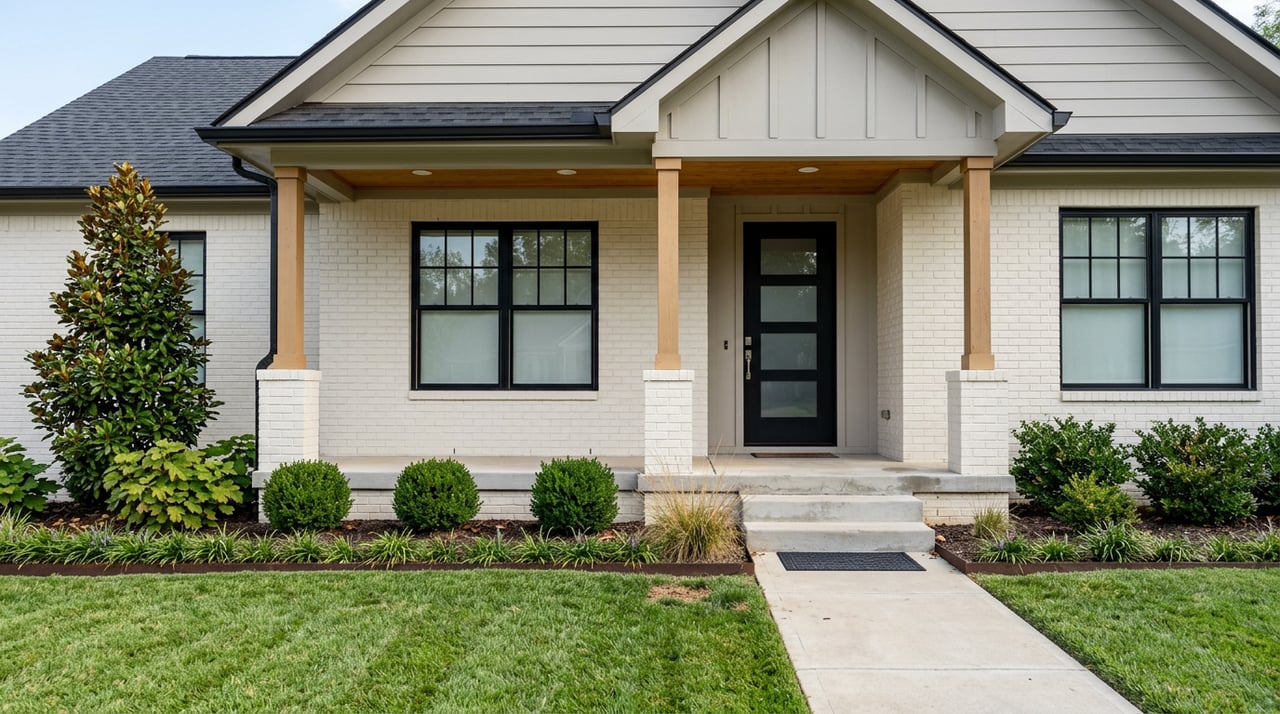
- Near the historic core, you will see bungalows, ranches, and smaller cottages on modest lots.
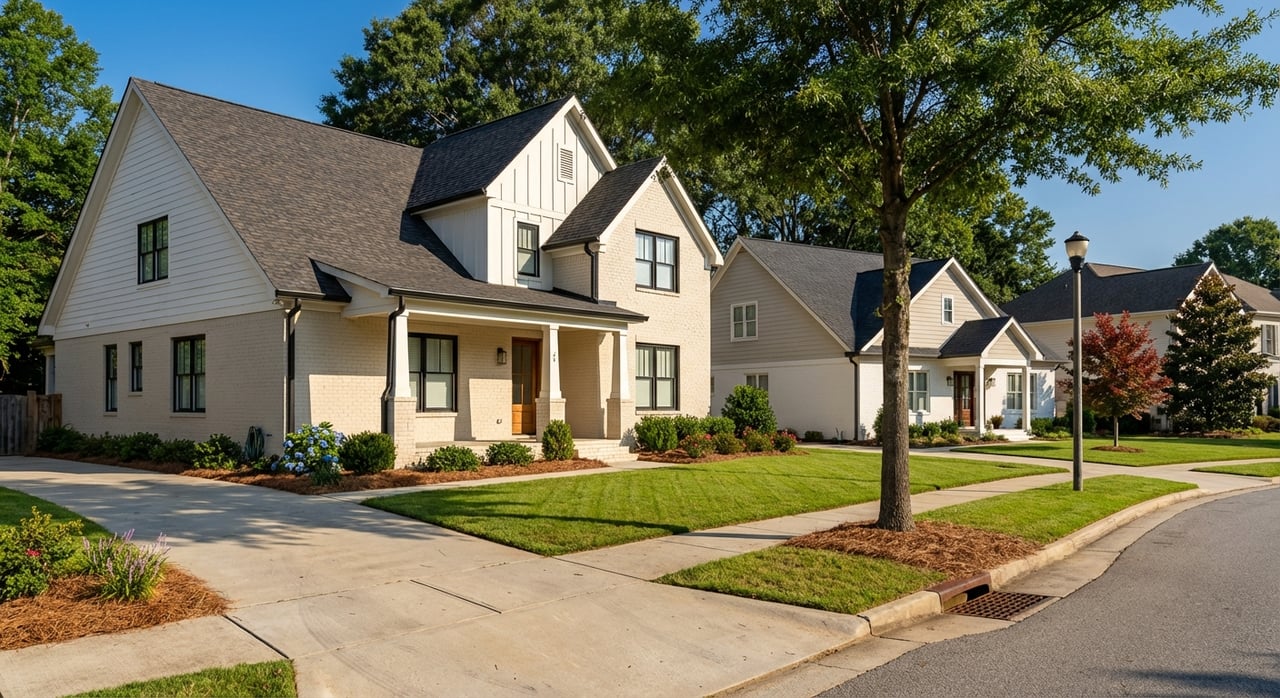
- Larger planned subdivisions from the 1970s to today include many two-story traditional homes, plus Craftsman and Neo-Colonial designs.
- Townhomes and condos cluster near commercial corridors and town centers, with newer infill options adding walkable choices.
- New construction is active in several submarkets, including both single-family and townhomes.
Typical lot sizes and layouts
- Older neighborhoods often feature lots under a quarter acre.
- Many suburban communities have lots around 0.15 to 0.4 acre.
- Higher-end and estate areas may offer half-acre or larger lots, sometimes with custom homes.
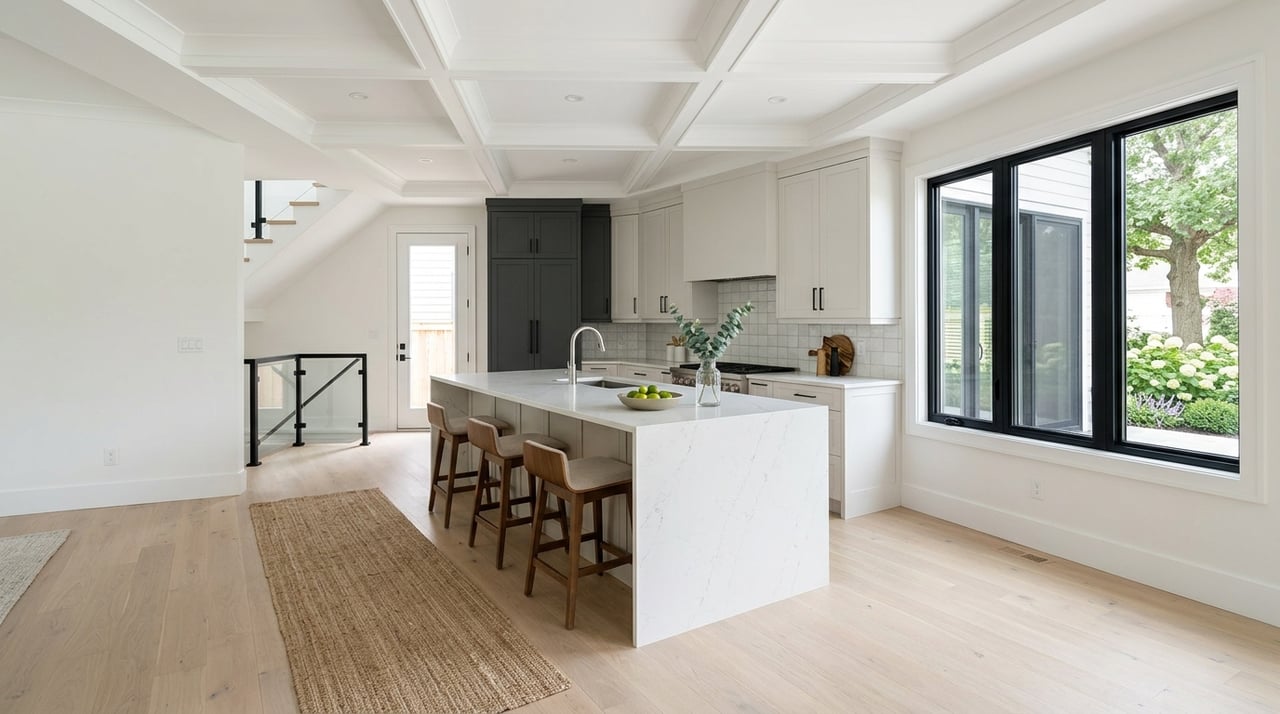
Inside, you will often see open-concept kitchens, flexible rooms or home offices, and larger primary suites in newer homes. Older homes may have smaller rooms and kitchens that some owners choose to update.
Schools, Healthcare, and Everyday Services
Cary is served by the Wake County Public School System, with additional charter and private options in the area. School assignments and calendars can influence daily routines, so it is smart to review official boundary maps and schedules as you plan.
Healthcare access is straightforward. You will find local medical offices, urgent care, and a hospital presence in Cary, with major hospitals and specialized care available in Raleigh, Durham, and Chapel Hill. Pharmacies, dental practices, veterinary clinics, and other essential services are spread across town, which makes weekday logistics easier.
Helpful link:
- Review district information on the Wake County Public School System site.
Climate and Outdoor Lifestyle
Cary has a humid subtropical climate with hot summers and generally mild winters. You can be outside most of the year, with spring and fall as peak seasons for parks and greenways. Summer brings pool time and water-based fun, while winter may include occasional freezes or light snow. Thunderstorms and regional storm systems can occur, so you will watch weather alerts as needed during certain seasons.
Cost of Living and Housing Decisions
Housing tends to be more expensive here than in many other North Carolina communities due to the Triangle’s job base and demand. In popular areas, you should expect competition. Most buyers weigh commute time, school assignments, and neighborhood amenities when choosing where to land. Your daily life will look different depending on whether you choose a small-lot cottage near downtown or a newer home with a larger yard in a planned community.
A Day in Cary, Start to Finish
- Morning: Coffee, a quick walk on a nearby greenway, and a smooth school drop-off before your commute.
- Midday: Errands at a shopping center near your neighborhood. A lunch stop for global flavors without driving far.
- Afternoon: Pickups and after-school activities at town parks or recreation centers.
- Evening: A neighborhood stroll, or a concert at Koka Booth Amphitheatre. Weekends bring a farmers market run or a festival downtown.
If that rhythm sounds like it fits you, Cary may be a strong match for your lifestyle.
Ready to explore neighborhoods, compare commute options, and understand real housing choices street by street? Reach out to Kelly Shields for local guidance tailored to your goals.
FAQs
How walkable is daily life in Cary?
- Many neighborhoods link to greenways and sidewalks for short trips to parks or nearby shops, though most residents still drive for daily commuting and larger errands.
What is the commute like from Cary to RTP and Raleigh?
- Most people drive using I-40, US-1, NC-55, or NC-540, with travel times that vary by route and hour; GoTriangle buses and park-and-ride options provide alternatives for some commuters.
Which transit options serve Cary residents?
- Regional GoTriangle routes connect to Raleigh, Durham, and RTP, GoCary provides local service, the Cary Amtrak station serves the Piedmont and Carolinian, and RDU Airport is about a 15 to 25 minute drive for many.
What types of homes and lots are common in Cary?
- You will find older bungalows and ranches on modest lots, traditional two-story homes in planned subdivisions, townhomes and condos near corridors, and larger-lot homes in higher-end areas.
What parks and outdoor spaces do residents use most?
- Fred G. Bond Metro Park and Hemlock Bluffs are local staples, with Umstead State Park nearby; greenways connect many neighborhoods to parks, schools, and shopping.
What community events can you expect in Cary?
- The town hosts regular farmers markets, concerts, and seasonal festivals, including the signature Lazy Daze Arts & Crafts Festival and performances at Koka Booth Amphitheatre.