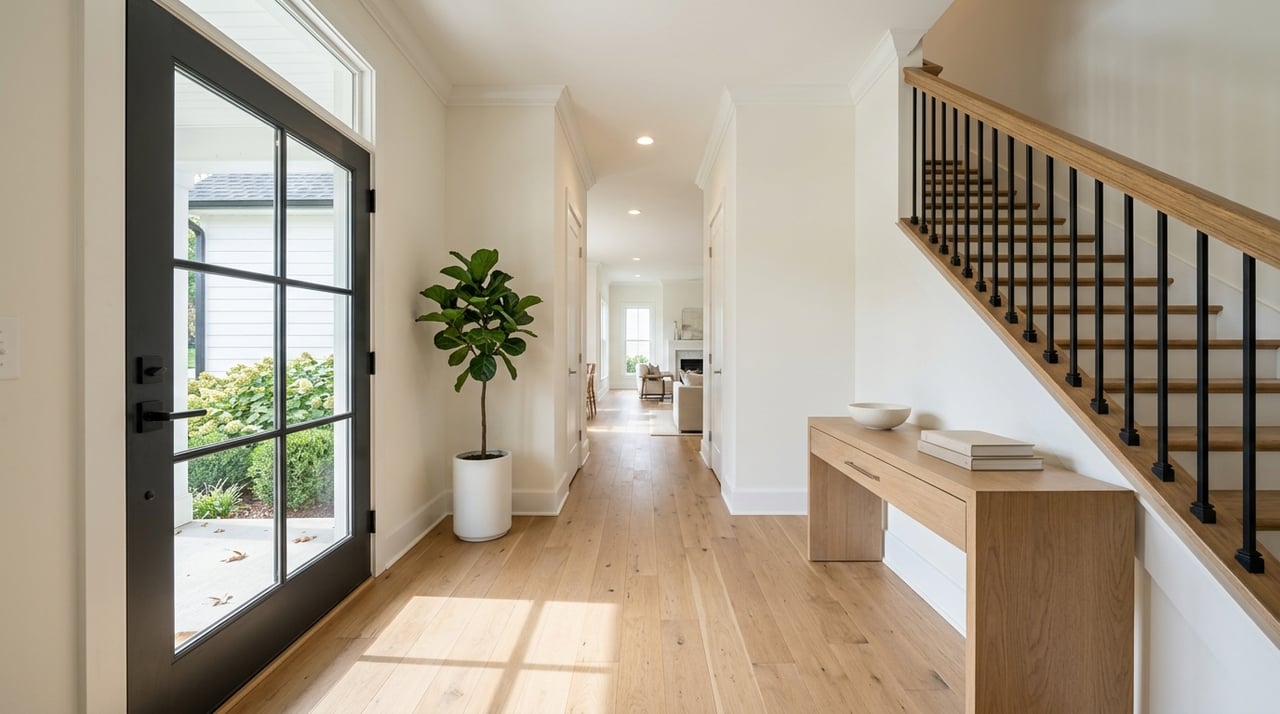
If you are thinking about selling in Apex, confidence starts long before your home hits the market. In a town where buyers have options and compare homes carefully, the right prep can make a real difference in how quickly your home sells and how strongly it performs. A smart plan helps you avoid last-minute stress, focus on the updates that matter most, and move into the listing process with clarity. Let’s dive in.
Why prep matters in Apex
Apex continues to attract attention as a fast-growing Wake County town. The Town of Apex reports a population estimate of 84,933, and its economic development materials point to factors like proximity to Research Triangle Park, stable employment, public services, and ongoing commercial development.
That strong appeal does not mean sellers can skip the basics. Current market snapshots show an active but price-sensitive environment, with Realtor.com reporting 721 active listings, a median listing price of $599,900, 46 median days on market, and a 99% sale-to-list ratio. Combined with Freddie Mac’s 6.37% average for a 30-year fixed mortgage rate on April 9, 2026, buyers are paying close attention to value and move-in readiness.
Start earlier than you think
One of the best ways to prepare to list your Apex home with confidence is to give yourself enough runway. Even when your home only needs light touch-ups, cleaning, staging, and photography take time to do well.
National timing data also supports planning ahead. Realtor.com’s 2026 best-time-to-sell report identified April 12 to 18 as the strongest national listing window, and it notes that sellers in the South often benefit from early spring timing when inventory is more abundant. For Apex sellers, that means your ideal list date may depend on work you start weeks before the sign goes in the yard.
Build a simple pre-list timeline
A basic timeline can help you stay organized:
- 4 to 6 weeks out: meet with your agent, review pricing strategy, and make a prep list
- 3 to 4 weeks out: complete repairs, touch-up paint, and confirm any permit needs
- 2 weeks out: declutter, deep clean, and finalize staging
- 1 week out: schedule photography, video, and final curb appeal cleanup
- Listing week: keep the home bright, tidy, and ready for showings
Focus on high-impact updates
Not every pre-list project delivers the same return. In Apex’s current market, careful sellers often do best by focusing on improvements that help the home show well without dragging out the listing calendar.
That usually means prioritizing cosmetic repairs and maintenance over major remodels. Fresh paint, small hardware fixes, clean grout lines, updated light bulbs, trimmed landscaping, and a polished entry can improve first impressions without creating unnecessary delay.
Check permit needs before larger work
If you are considering anything beyond cosmetic updates, pause before work begins. The Town of Apex Building Inspections division handles permits and inspections, offers public permit searches, and separates permit categories like building, electrical, mechanical, plumbing, and sprinkler work.
That matters because changes to structure or building systems may need review before you start. A good rule of thumb is simple: handle light repairs and maintenance first, but verify permit requirements for larger projects so your listing prep stays on track.
Declutter for better first impressions
When buyers scroll through listings, clutter can make even a well-maintained home feel smaller or harder to understand. In a market where buyers may compare several Apex homes online before scheduling a showing, clean presentation matters.
The National Association of Realtors’ 2025 staging profile found that decluttering, cleaning the entire home, and improving curb appeal were among the most common seller-side recommendations. Those steps are not flashy, but they help buyers focus on the home instead of your belongings.
What to declutter before listing
Start with the areas buyers notice most:
- Kitchen counters and pantry shelves
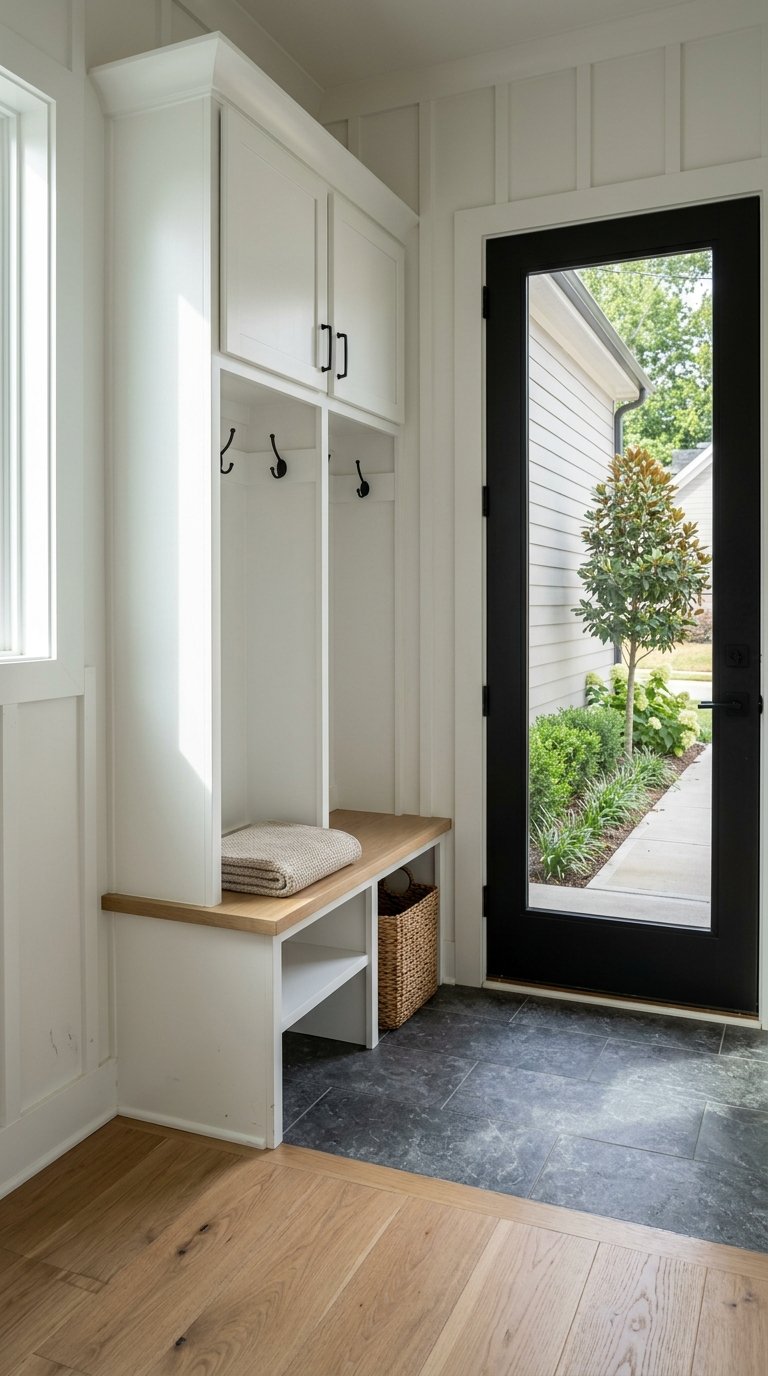
- Entryways and drop zones
- Bathroom counters and linen storage
- Living room surfaces and built-ins
- Primary bedroom closets and dressers
- Garage shelves and storage corners
Your goal is not to make the home look empty. It is to make it feel spacious, clean, and easy to picture as home.
Stage the rooms that count most
Staging can help buyers connect emotionally with a home. According to the same NAR staging report, 29% of agents said staging increased the dollar value offered by 1% to 10%, and 49% said it reduced time on market.
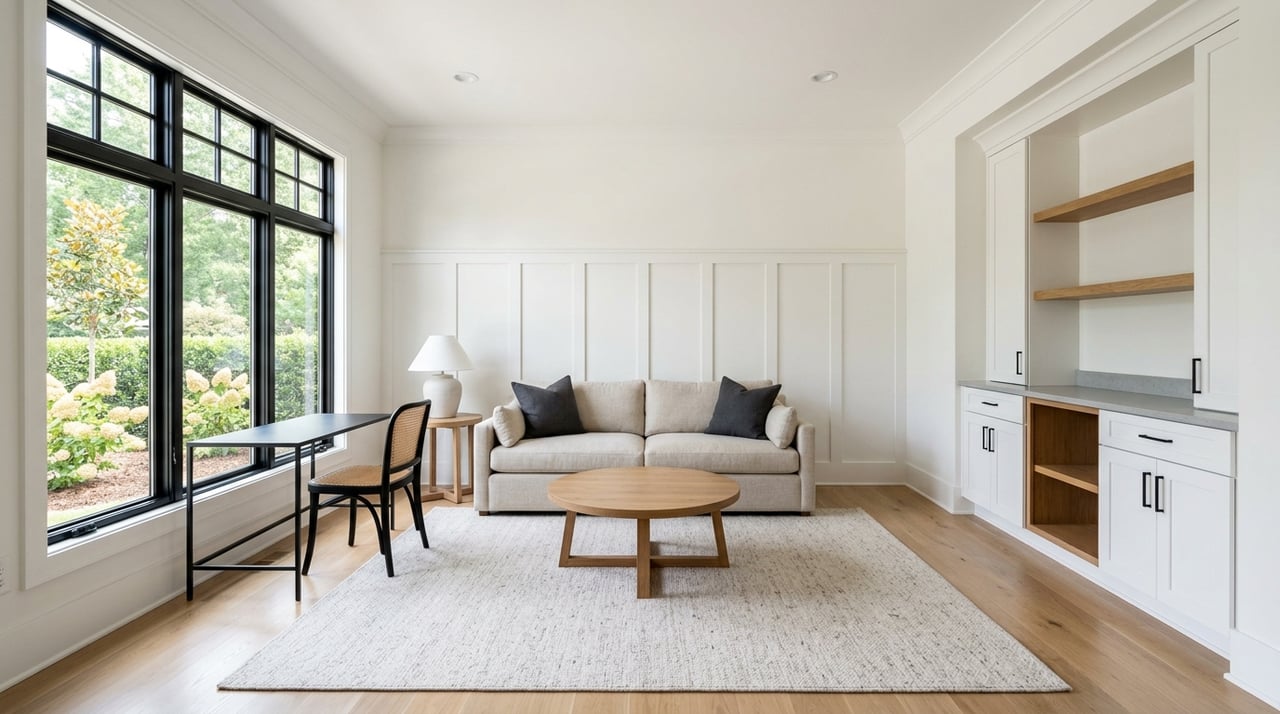
The report also found that buyers’ agents said staging made it easier for buyers to visualize a property in 83% of cases. The most important rooms to stage were the living room, primary bedroom, and kitchen, which gives sellers a clear place to focus.
Keep staging simple and strategic
You do not always need a full furniture overhaul. Often, strong staging means:
- Removing oversized or extra furniture
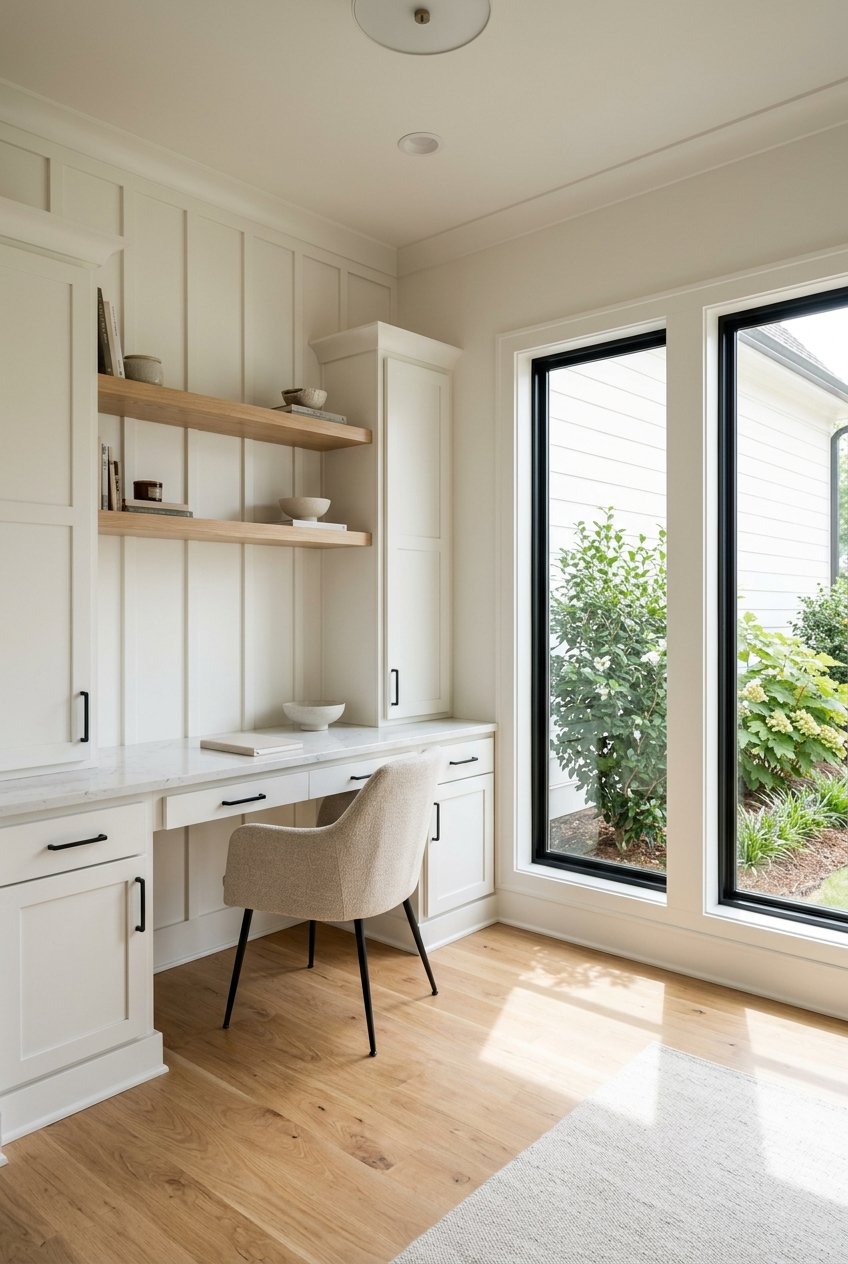
- Letting in as much natural light as possible
- Using neutral, clean bedding and towels
- Adding a few simple accents for warmth
- Creating clear walking paths in every room
In Apex, where spring conditions often support better natural light and curb appeal, these small choices can help your home stand out.
Invest in strong listing photos
Photos are often your home’s first showing. If the images are dark, cluttered, or rushed, many buyers will move on before they ever visit in person.
NAR found that buyers’ agents rated photos, physical staging, videos, and virtual tours as highly important. That means photography is not a final checklist item. It is a core part of the listing strategy.
Get your home camera-ready
Before photo day, make sure you:
- Open blinds and curtains for natural light
- Replace burned-out bulbs with matching color temperature
- Clear countertops, desks, and bedside tables
- Hide trash cans, cords, pet items, and personal photos
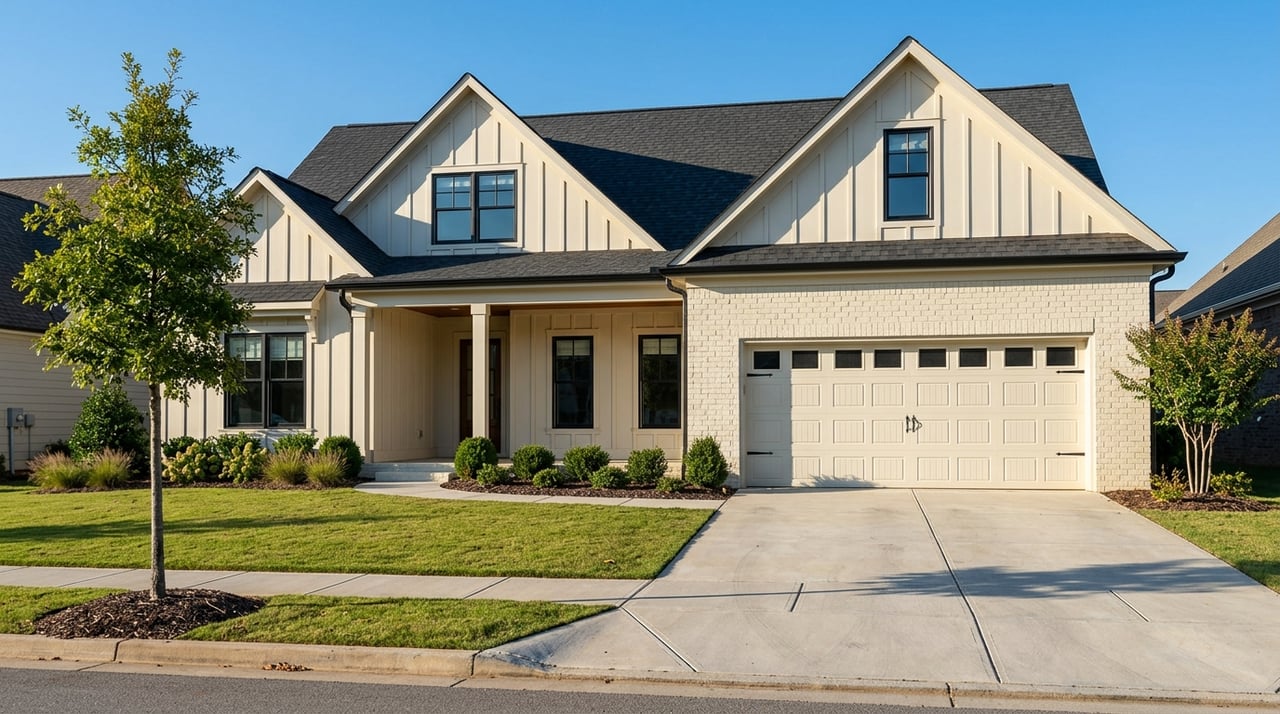
- Sweep porches and tidy the front entry
These details help your marketing work harder from day one.
Price with today’s buyers in mind
Pricing is one of the biggest confidence factors when you are getting ready to sell. In an environment with a 99% sale-to-list ratio and dozens of days on market according to Realtor.com’s Apex data, overpricing can cost you momentum.
Today’s buyers are not just asking whether they like a home. They are comparing condition, location, and monthly payment more carefully because financing costs remain meaningful. A thoughtful pricing strategy can help you attract serious attention early, when your listing is freshest.
Get ahead of disclosures and repairs
North Carolina sellers have important disclosure responsibilities. The North Carolina Real Estate Commission explains that most sellers of residential one- to four-unit properties must provide the Residential Property and Owners' Association Disclosure Statement and the Mineral and Oil and Gas Rights Mandatory Disclosure Statement before an offer is made.
This is one reason early prep matters. When you identify known issues before listing, you have more time to decide what to repair, what to disclose, and how to position the home honestly and clearly.
Think through repairs before negotiations start
The NCREC’s due diligence guidance notes that buyers commonly investigate the home, pest and septic systems, survey, appraisal, title, financing, and repairs during due diligence. It also explains that repair requests are negotiable, agreed repairs must be completed in a good and workmanlike manner before settlement, and buyers have the right to verify repairs and complete a final walk-through.
For you, that means it helps to decide early:
- Which issues you want to fix before listing
- Which items you may address during negotiations
- Which items you may leave as-is, if appropriate
- How much flexibility you want to keep for credits or concessions
Planning ahead makes due diligence less reactive and more manageable.
Prepare for showings with less stress
Once your home is live, consistency matters. The cleaner and more show-ready your home is, the easier it is for buyers to connect with it on short notice.
In practical terms, that means keeping surfaces clear, lights on when possible, and everyday clutter under control. Buyers tend to respond best to homes that feel bright, calm, and easy to maintain.
A quick showing-ready checklist
Keep this short list handy:
- Make beds each morning
- Wipe kitchen and bath counters daily
- Empty trash before showings
- Store laundry out of sight
- Open blinds for light
- Tidy outdoor entry areas
Small habits can make the showing process feel much more manageable.
Why coordination matters
A smooth sale usually depends on more than one good decision. It takes coordination across pricing, prep, disclosures, photography, showings, and repair discussions.
That is where strong guidance becomes valuable. In a process shaped by local permit rules, North Carolina disclosure requirements, and buyer due diligence timelines, having someone help manage details can reduce friction and keep your sale moving forward with fewer surprises.
If you are preparing to list your Apex home and want a clear, step-by-step plan, Kelly Shields offers thoughtful guidance, local market insight, and hands-on support to help you move forward with confidence.
FAQs
When should you start preparing to list a home in Apex?
- If you want to target a strong listing window, it is wise to begin planning several weeks in advance so you have time for repairs, cleaning, staging, and photography.
What home updates matter most before listing in Apex?
- Cosmetic improvements like paint touch-ups, cleaning, decluttering, lighting, and curb appeal usually have the biggest impact without delaying your listing timeline.
Do Apex home projects need permits before listing?
- Some projects do, especially if they affect structure or major systems, so check with the Town of Apex Building Inspections division before starting larger work.
Does staging really help homes sell in Apex?
- NAR data shows staging can help buyers visualize the home, may reduce time on market, and can improve the value offered in some cases.
What disclosures do North Carolina home sellers usually provide?
- Most sellers of residential one- to four-unit properties must provide the Residential Property and Owners' Association Disclosure Statement and the Mineral and Oil and Gas Rights Mandatory Disclosure Statement before an offer is made.
Why is pricing strategy so important for Apex home sellers?
- Current market data suggests buyers have options, so careful pricing can help your home attract stronger interest early and avoid losing momentum.