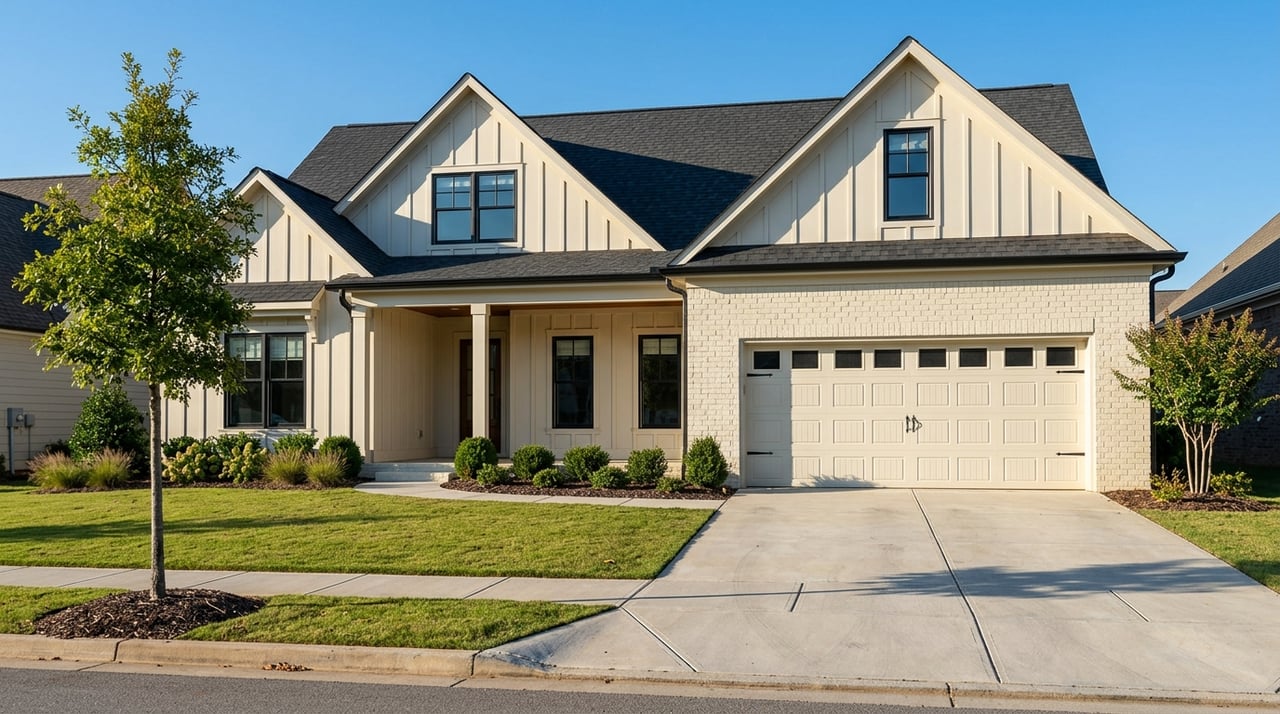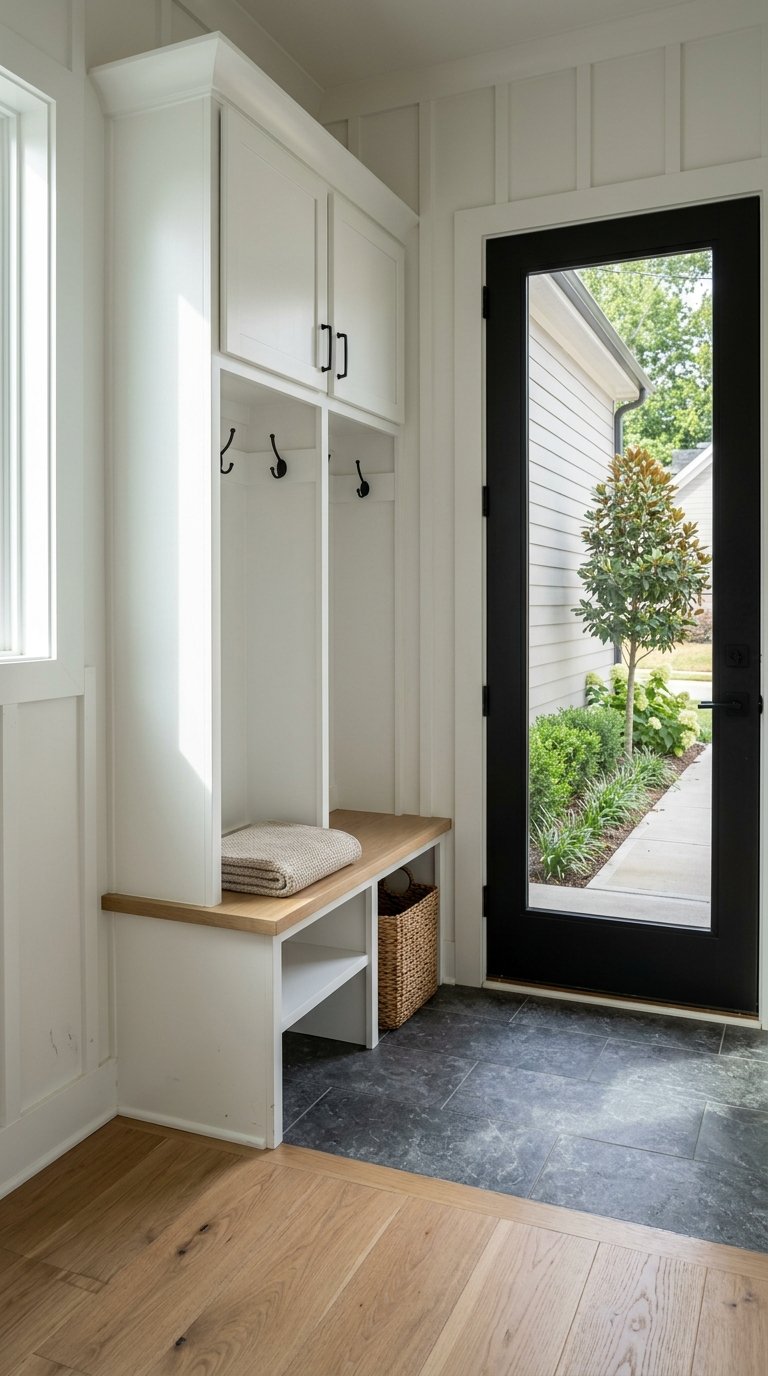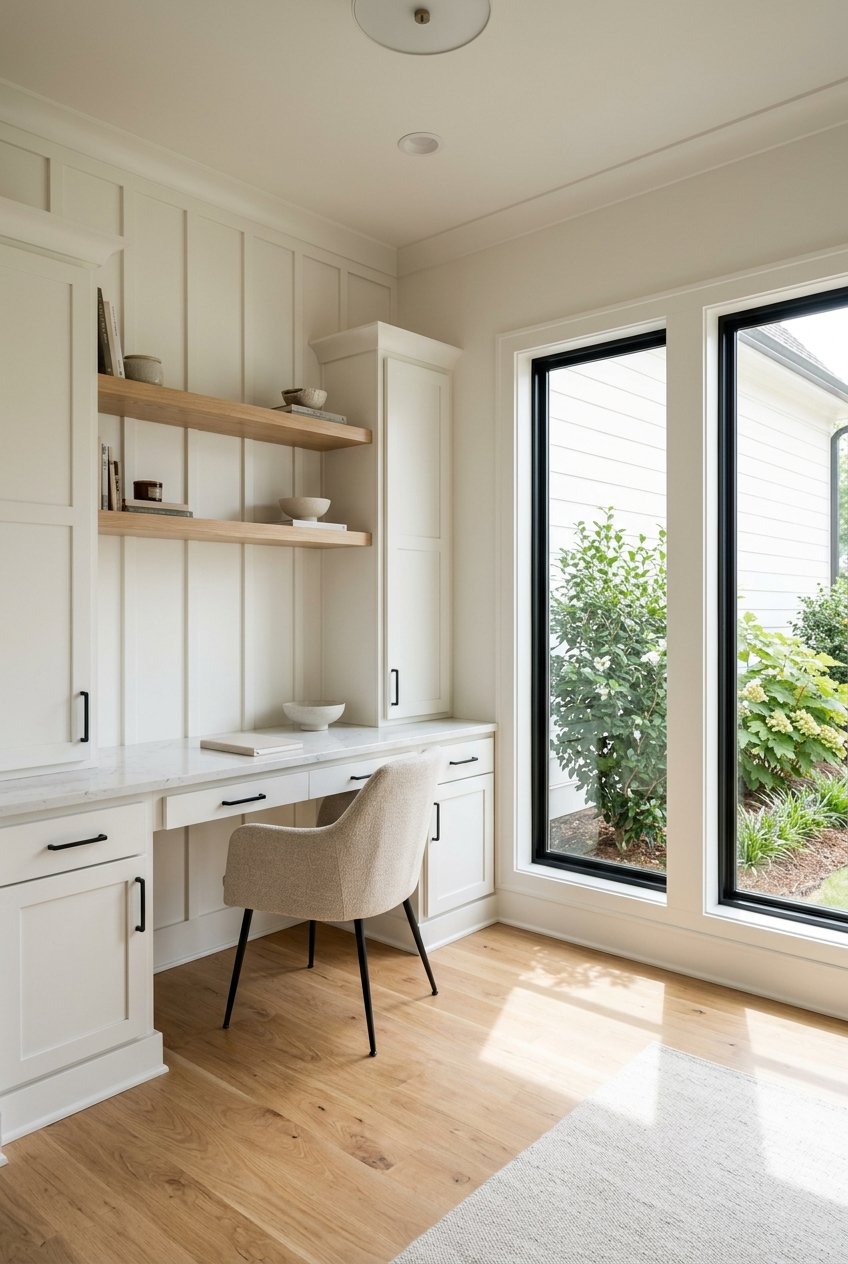
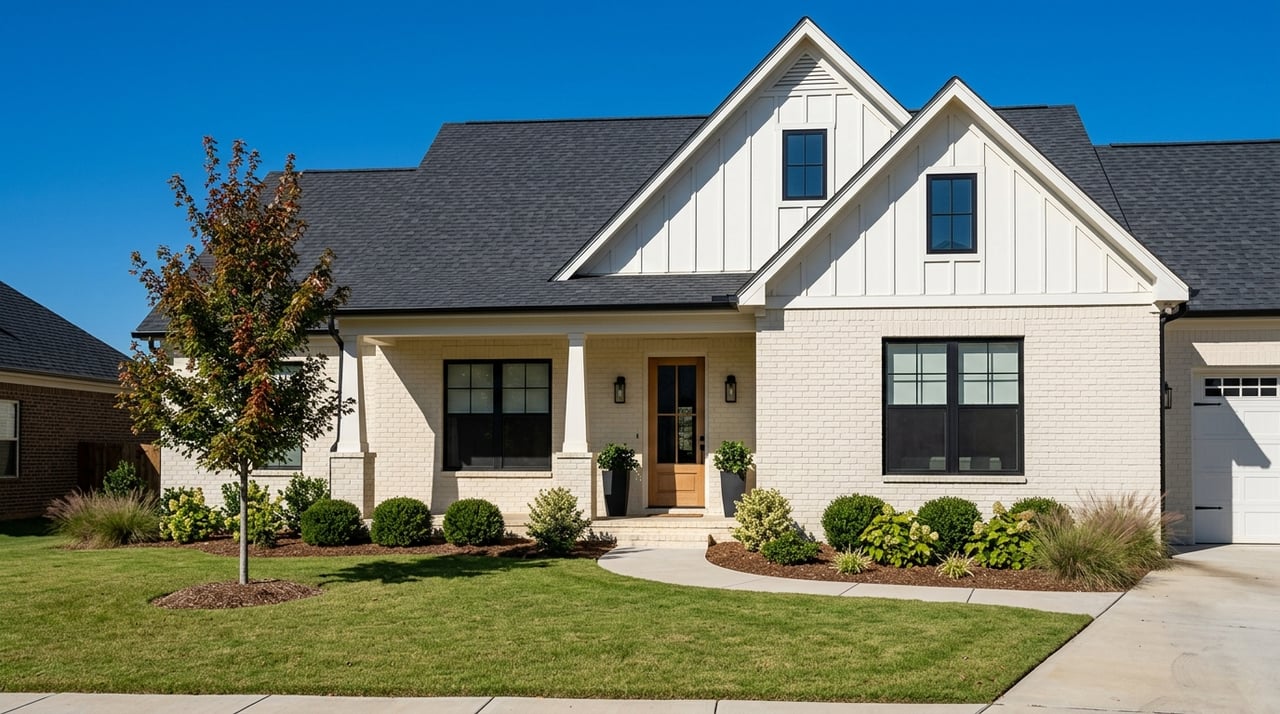
Thinking about selling your home in Pittsboro? It can feel like a lot to manage at once, especially when you are trying to time the market, prepare the property, and stay ahead of paperwork. The good news is that with a clear plan, you can move through the process with more confidence, fewer surprises, and a stronger listing from day one. Let’s walk through it step by step.
Understand the Pittsboro market
Before you make repairs or pick a listing date, it helps to know what kind of market you are selling into. In Pittsboro, the market is somewhat competitive, not overheated. According to Redfin’s Pittsboro housing market data, the median sale price in March 2026 was $536,950, median days on market was 71, and homes sold for about 2% below list price on average.
A separate snapshot from Zillow shows an average home value of $541,258, with 85 homes for sale as of February 28, 2026. While these numbers come from different methods, they point to the same takeaway: sellers in Pittsboro should focus on accurate pricing, thoughtful prep, and strong presentation rather than assuming fast multiple offers.
Plan your selling timeline early
Timing still matters, even in a balanced or somewhat competitive market. Based on Zillow’s research on the best time to sell, late spring often brings the strongest results nationally, and homes listed in the last two weeks of May earned an extra 1.7% in Zillow’s analysis. Zillow also notes that many sellers begin thinking about listing 3 to 4 months in advance.
If you want to aim for a late-spring launch in Pittsboro, starting your prep in late winter or early spring is a smart move. That gives you time to gather records, complete disclosures, make repairs, and get the home photo-ready without rushing.
Step 1: Gather records first
One of the best ways to reduce stress later is to collect your key documents before your home hits the market. This matters in any sale, but it can be especially important in Pittsboro and greater Chatham County, where many properties include acreage, private wells, or septic systems.
According to the North Carolina Department of Environmental Quality’s Chatham County overview, many parts of the county do not have public water or sewer service. That means buyers may ask more detailed questions about well and septic systems, land use, drainage, and property records.
Try to gather:
- Survey or plat copies
- Repair invoices and maintenance records
- HOA documents, if applicable
- Well records and recent test information
- Septic permits, layout, and pump-out receipts
- Flood or drainage history you know about
If you cannot find older well or septic records, Chatham County Environmental Health offers public records requests that may help you locate permit information.
Step 2: Complete North Carolina disclosures
In North Carolina, most residential sellers must provide both the Residential Property and Owners’ Association Disclosure Statement and the Mineral and Oil and Gas Rights Mandatory Disclosure Statement before any offer to purchase. The North Carolina Real Estate Commission makes clear that failing to provide required disclosures can create problems, including a buyer’s possible right to rescind.
The disclosure form was revised in 2024 to include more detailed questions about flooding and related issues. According to the NCREC bulletin on the revised form, it is wise to gather flood history and drainage information early rather than scrambling for answers once a buyer is under contract.
If your property is part of an HOA or covenant community, be prepared to disclose dues, assessments, fees, and transfer charges. The NCREC also notes that these details should be addressed clearly.
Step 3: Price from sold data, not wishful thinking
It is tempting to price based on the highest active listing you can find, but sold data tells the more useful story. In Pittsboro, where asking prices and final sale prices can vary, your pricing strategy needs to reflect what buyers have actually been willing to pay.
Redfin’s data shows the average home sells below list price, and median market time is longer than in a fast-moving market. That makes it even more important to price your home based on recent closed sales, current competition, condition, lot features, and property systems like well and septic where relevant.
A strong price can help you attract serious buyers early, protect your leverage, and avoid sitting on the market longer than necessary.
Step 4: Prepare your home for photos and showings
Your online presentation matters because that is where many buyers begin. In the 2024 NAR Home Buyers and Sellers Profile, 43% of buyers started by searching the internet, 41% said photos were very useful, and 31% valued floor plans.
That means your home should be ready to make a strong first impression both online and in person. You do not always need a full redesign. In fact, the NAR 2025 staging report found many agents focus on simple steps like decluttering and correcting visible issues.
Start with the basics:
- Declutter counters, shelves, and storage areas
- Deep clean kitchens, baths, floors, and windows
- Touch up paint where needed
- Replace burned-out bulbs
- Repair anything obviously broken or worn
- Freshen landscaping and clear the entry
NAR also found that 83% of buyers’ agents said staging makes it easier for a buyer to envision the property as a future home. Even modest staging or light styling can help your home feel more polished and easier to understand.
Step 5: Highlight Pittsboro property features clearly
Pittsboro-area homes often have features that deserve more explanation than a standard suburban listing. Long driveways, larger lots, outbuildings, wooded buffers, private systems, and outdoor living spaces can all be selling points, but only if buyers can see and understand them.
Because many buyers start online, wide-angle and aerial images may be especially helpful for properties with acreage or unique outdoor features. This aligns with NAR’s findings on how buyers shop and the lower-density pattern common in Chatham County.
If your property has a private septic system, NC State Extension’s septic owner guidance recommends knowing where the tank, drainfield, and repair area are and keeping a map or sketch. Sellers should also make access easy for inspection and maintenance. In practice, that can mean trimming back overgrowth, clearing access points, and making sure buyers and inspectors can understand the layout.
Step 6: Get well and septic details ready
In Chatham County, private wells and septic systems are common, so buyers may expect answers. The Chatham County Public Health Department notes that private well owners are responsible for maintenance and drinking water quality. NC DHHS also says well owners should check the wellhead annually and retest after repairs or flooding.
For septic systems, the NC DHHS homeowner guidance recommends that homeowners know the system type, location, and maintenance history. It also notes that most tanks should be pumped every three to five years.
Helpful items to have ready include:
- Septic permit and layout
- Approximate system age
- Pump-out receipts
- Repair history
- Well test records
- Notes on any recent maintenance
Having this information organized can make buyers more comfortable and help inspections move more smoothly.
Step 7: Launch with strong marketing
Once the home is ready, your launch matters. Since most buyers find homes online, your listing should include high-quality photos and complete, accurate information. The NAR buyer research also shows buyers value videos and virtual tours, which can be especially useful for out-of-town or relocating buyers.
A strong launch is not just about getting online. It is about presenting the property clearly, answering likely questions upfront, and making it easy for buyers to see the home’s value.
Step 8: Manage showings and offers carefully
Once your home is live, flexibility helps. Buyers touring Pittsboro homes may ask practical questions about maintenance, flood history, septic age, pump schedule, and well care. The more prepared you are, the easier it is to respond with confidence.
When offers come in, remember that the highest number is not always the best offer. Closing timeline, contingencies, repair expectations, and financing strength all matter. In a market where homes may take time to sell, a clean and well-supported offer can be just as important as price.
Step 9: Stay responsive during inspections
Even with solid disclosures, buyers should still conduct their own inspections. The NCREC explains that disclosure is not a warranty, which means inspections remain an important part of the transaction.
For sellers, the best approach is to be accurate from the start, document completed repairs, and respond promptly if issues come up. Keeping communication clear and organized can reduce friction during negotiations and help keep the sale on track.
Step 10: Keep closing documents organized
As you move toward closing, keep all supporting records in one place. This is especially helpful for homes with acreage, private systems, HOA documents, or permit history.
Try to organize:
- Permit records
- Well and septic paperwork
- Repair invoices
- HOA documents
- Survey or plat copies
- Any warranties or service records
That simple step can help the buyer, closing attorney, and everyone involved move more efficiently.
Selling a home in Pittsboro is not just about putting a sign in the yard. It is about pricing smart, preparing thoroughly, and making it easy for buyers to understand what makes your property worth a closer look. If you want thoughtful guidance, neighborhood insight, and a clear plan from prep through closing, connect with Kelly Shields for personalized support.
FAQs
How early should you start selling a home in Pittsboro?
- If you want to list in late spring, it is wise to start preparing 3 to 4 months early, since Zillow says many sellers begin planning several months before going live.
What disclosures are required when selling a home in Pittsboro, NC?
- Most North Carolina sellers must provide the Residential Property and Owners’ Association Disclosure Statement and the Mineral and Oil and Gas Rights Mandatory Disclosure Statement before any offer to purchase.
What should you gather for a Pittsboro home with a private well or septic system?
- Try to collect septic permits, system layout, pump-out receipts, maintenance history, well records, and any recent test information.
Is staging required when selling a home in Pittsboro?
- No, staging is not required, but NAR research shows staging, decluttering, and strong listing photos can help buyers better understand and connect with the home.
How should you price a home for sale in Pittsboro?
- Price your home using recent closed sales, current competition, condition, and property-specific features instead of relying only on active listings or optimistic asking prices.